


What Technologies Enhance Corporate Events
In the modern corporate landscape, the success of corporate events hinges on more than just a strategic vision and a captivating agenda. Technology has become an indispensable ally, transforming traditional gatherings into dynamic, engaging, and memorable experiences. From planning and execution to post-event analysis, technology facilitates seamless operations, augments attendee engagement, and elevates the overall impact. This post delves into the myriad ways technologies enhance corporate events, highlighting pivotal innovations that event organizers should embrace.
Virtual and Hybrid Event Platforms

One of the most revolutionary advances in event management is the advent of virtual and hybrid event platforms. These platforms enable organizations to extend their reach beyond geographical constraints, allowing participants from across the globe to attend without the need for physical travel. Hybrid events, which combine in-person elements with virtual components, offer the best of both worlds. They provide the traditional networking benefits of physical events while leveraging digital tools to engage remote audiences. This is especially beneficial for corporate functions entertainment, where creating an engaging experience for both in-person and virtual attendees is essential. Platforms like Hopin, Zoom, and Microsoft Teams have emerged as leaders, offering robust features such as live streaming, virtual lobbies, breakout rooms, and interactive polling.
Interactive Event Apps
Gone are the days when attendees relied solely on printed brochures and static presentations. Today, interactive event apps have revolutionized the attendee experience by providing real-time information, personalized agendas, and networking opportunities at their fingertips. These apps facilitate seamless communication between event organizers and participants, offering features such as push notifications, live updates, and AI-driven matchmaking to connect like-minded professionals. Additionally, event apps often integrate with social media, allowing attendees to share their experiences and expand the event's reach organically.
Augmented Reality (AR) and Virtual Reality (VR)
Augmented reality (AR) and virtual reality (VR) are transforming the landscape of corporate events by creating immersive and interactive experiences. AR can be used to overlay digital information onto the physical environment, enhancing presentations and product demonstrations with engaging visuals. VR, on the other hand, offers fully immersive environments where attendees can explore virtual venues, participate in interactive activities, and experience simulations. These technologies are particularly valuable for showcasing products, conducting training sessions, and enhancing engagement through gamification.
Live Streaming and Webcasting
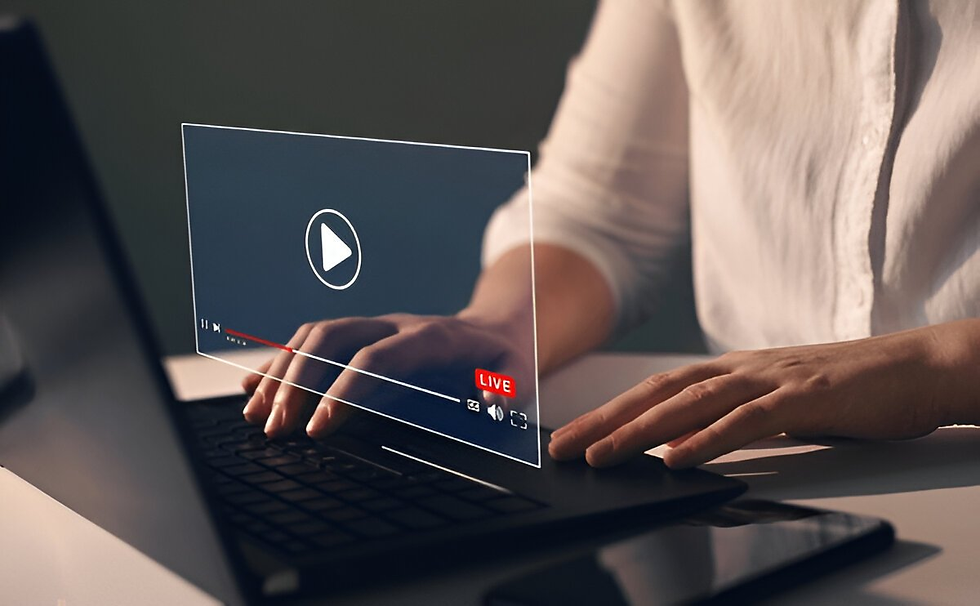
Live streaming and webcasting technologies have become essential tools for expanding the reach of corporate events. These technologies enable real-time broadcasting of sessions, keynotes, and panel discussions to a global audience. Platforms like YouTube Live, Vimeo, and Facebook Live offer reliable live streaming services that can be seamlessly integrated into event websites and social media channels. By leveraging live streaming, organizations can engage remote attendees, generate real-time feedback, and create a sense of inclusivity for those who cannot attend in person.
Event Management Software
Efficient planning and execution are the bedrock of successful corporate events. Event management software streamlines the entire process, from registration and ticketing to scheduling and post-event analysis. Tools like Cvent, Eventbrite, and Bizzabo offer comprehensive solutions that automate administrative tasks, manage attendee data, and provide detailed analytics. Event management software enhances operational efficiency, reduces human error, and allows organizers to focus on creating a memorable experience for participants. When choosing a venue for corporate events, integrating such software can ensure seamless coordination and hassle-free execution.
Engagement Tools and Gamification
Keeping attendees engaged is crucial for the success of any corporate event. Engagement tools and gamification techniques have proven to be effective strategies for maintaining participant interest and interaction. Polling apps like Slido and Mentimeter allow organizers to conduct live polls, Q&A sessions, and surveys, fostering active participation. Gamification, on the other hand, introduces elements of competition and reward to the event experience. Leaderboards, scavenger hunts, and interactive challenges encourage attendees to engage with content, network with peers, and explore the venue for corporate events in a fun and meaningful way.
Artificial Intelligence (AI) and Chatbots
Artificial intelligence (AI) is reshaping the way corporate events are managed and experienced. AI-powered chatbots, for instance, provide instant assistance to attendees, answering frequently asked questions, providing schedule updates, and offering personalized recommendations. These chatbots can be integrated into event apps, websites, and social media platforms, ensuring round-the-clock support. Additionally, AI-driven analytics tools offer valuable insights into attendee behavior, preferences, and feedback, enabling organizers to refine their strategies and deliver more targeted and impactful events in the future.
RFID Technology and Wearable Devices
Radio Frequency Identification (RFID) technology and wearable devices are revolutionizing event logistics and attendee tracking. RFID badges and wristbands allow for seamless check-ins, secure access control, and cashless transactions, enhancing the convenience and security at corporate events. Wearable devices can also provide real-time data on attendee movements, preferences, and interactions, enabling organizers to optimize event layouts and personalize experiences. Moreover, these technologies facilitate networking by enabling attendees to exchange contact information with a simple tap, fostering meaningful connections.
Conclusion
The integration of advanced technologies in corporate events has redefined the way organizations plan, execute, and evaluate their gatherings. From virtual and hybrid event platforms to interactive apps, AR, VR, and AI-driven tools, these innovations enhance the attendee experience, streamline operations, and extend the reach of events beyond physical boundaries. As the technological landscape continues to evolve, embracing these cutting-edge solutions will be crucial for organizations seeking to create impactful, memorable, and successful corporate events. When selecting a venue for corporate events, incorporating these technologies will undoubtedly transform the way participants engage and interact, leaving a lasting impression and setting a new standard for excellence in event management.


Comments